A story of musical collaboration between Persia and London in 1909
September 10, 2020
Music Review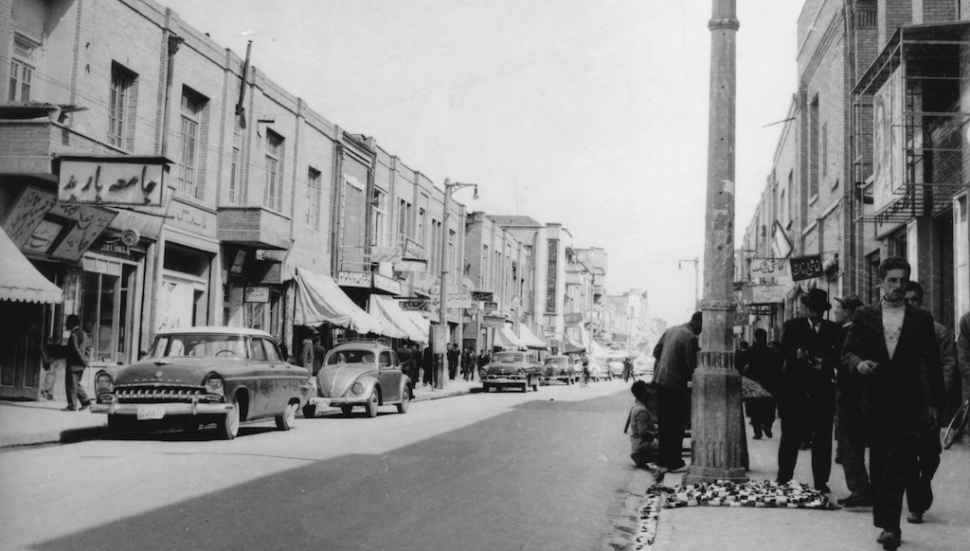
What was it like when our parents were growing up? It’s a question that follows us through life, answered in bits and pieces by our mothers and fathers, popular culture and sometimes visiting the places they lived. We get a sense of it over time, while resigning to the fact we’ll never know first-hand.
But understanding on even a basic level is not so easy for the children of immigrants, especially when their parents have no interest in returning to their homeland. For our good friend Joe Sharaf, whose parents emigrated from Iran before he was born at the start of the Islamic Revolution in 1979, that means a general uncertainty over what coming of age was really like for them 8,000 miles away.
“I’m dying to see it,” Joe told me recently, sipping tea over a game of backgammon, and talking about Iran. “It’s always been my parents who have been completely against going there. It’d dangerous but it’s beyond the dangerous factor that they don’t want to go back. They left right as the revolution started and Iran has been taken over by monsters. They don’t connect with what Iran is now.”
“That’s when Persians started calling themselves Persians and not Iranians,” he added, “because they’re ashamed of what Iran is now and they wanted to be considered something else.”
As a kid, Joe’s house was filled with music from Iran. His dad had a nice stereo and a tape collection of mixes that he’d made while living in Iran, each labeled with track listings written in Farsi. “He would just vibe out sometimes and have a drink and blast this stuff,” Joe said.
|
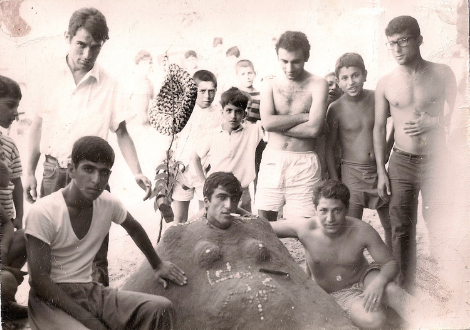
Joe said he knows more about his dad’s youth than his mom’s. She grew up kind of sheltered in a family without a lot of money and stuck to more traditional beliefs. But his dad, he can go on about, almost glowingly. Joe tells the story of his dad as a teenager with a champagne-colored 1960s Ford Mustang that he’d saved up to buy, and his friends would come over just so they could wash it themselves. He had girlfriends and partied, and with a modest uncertainty, Joe said he probably enjoyed most things American teens of the time liked: movies, drive ins, dance parties, and so on, as well as the cultural appreciation for backgammon and tea. |
But to a degree, like the rest of his, so much of this is his imagination making assumptions. Only more so. Really, he said, has no Idea of what it was like in Iran during the 1960s under the Shah’s reign and his push to Westernize the country.
“I’ve never even been to Iran but it’s interesting that it’s in my blood and I was raised by these people and that’s where they’re from and I’ve never even been to the country either,” he said. “I’ve never touched it, felt it.
Developing a unique style
With time, Joe’s defined his own style exceptionally well. Looking through photos of his dad, there’s a strong resemblance both in appearance and presumed swagger. Complimenting this, is his own general love of rockabilly, ska and soul music and their cultures, all channeled through his American upbringing. Except in family settings, Iranian culture has little influence on his life day-to-day.
So, as a means of exploring his own identity a bit and sharing it with us, he assembled and shared with us a playlist of music that does — most of which he learned from his parents. The music stands on its own, but it’s elevated to imaging it as a tool for Joe to retrace his lineage. And even though he’s fluent in Farsi, he doesn’t know what most of it means either — the lyrics are heavy and the grammar is too poetic, he said.
Listen to Joe’s “Pomegranate Seeds” playlist on Spotify, follow him on Instagram, and read on for some highlights.